
Custom Awards & Corporate Plaques – Sustainable Wooden Recognition, Made in Ireland
Custom Wood Designs creates bespoke awards, plaques and medals that feel as meaningful as the achievement. Hand-finished in Dublin using FSC-certified timbers (oak, birch ply, beech) with precision laser engraving From one-off centrepieces to 500+ unit rollouts, we blend craft, brand consistency, and sustainability.
Bespoke wooden awards and plaques, made in Ireland. FSC timber, laser engraving, Pantone/RAL matching. One-off to 500+ units. Fast 3–4 week lead times.

How to Look After a Solid Oak Table: Oil, Spills, Heat and the First Year
A solid oak table is one of the few things in a house that should outlast the house. Ours are made to order from kiln-dried oak and finished in hardwax oil, and with a few minutes of care a year they get better looking, not worse. This guide covers what to do in the first year, how to deal with spills, heat and ring marks, why the wood moves when the heating goes on, and the differences between the types of oak and other timbers you'll see for sale in Ireland.
- Wipe, don't soak. A damp cloth and a dry cloth after it. No sprays, no polish, no vinegar.
- Re-oil once a year for the first two years, then when water stops beading on the top. Ten minutes, one cloth.
- Heat is the enemy, not water. Use mats under hot dishes and mugs. Most white rings are heat, not liquid.
- Wood moves. A top can shrink a couple of millimetres across its width in a centrally heated Irish winter and go back in summer. That is normal.
- Small marks come out. A ring or a scratch in a hardwax-oiled top is sanded locally and re-oiled. A lacquered top has to be stripped. That is the single biggest reason we use oil.
- Not all oak is the same. European oak, American white oak and red oak look and behave differently, and "oak effect" is not oak at all.
What the finish is, and why it matters
Every solid oak table we make is finished in hardwax oil. It is a blend of natural oils and waxes that soaks into the top millimetre or so of the timber and hardens there, instead of sitting on top as a plastic skin the way lacquer or varnish does. You can still feel the grain under your hand, the colour deepens slightly to a warm honey, and water beads on the surface for years.
The practical difference shows up the first time something goes wrong. A scratch or a ring on an oiled top is a local job: a light rub with fine abrasive, a wipe of oil, done in an evening. The same mark on a lacquered top means stripping and re-coating the whole surface, usually by a professional, because you cannot blend a patch into lacquer. Oil also lets the table breathe, which matters in a house where the humidity swings from damp October to dry February.
The only thing an oiled top asks in return is an occasional top-up of oil. Here is the full routine.
The first year: a simple calendar
| When | What to do | Why |
|---|---|---|
| Delivery day | Unwrap, let the table stand in the room for 24 hours before heavy use. Keep it a metre from radiators and out of direct sun if you can. | The timber settles to your room's humidity. The finish is fully cured but still "young". |
| Weeks 1–4 | Mats and coasters for everything hot. Wipe spills as they happen. No cleaning products. | The oil keeps hardening for the first few weeks. Treat it gently and it will be tougher for it. |
| Month 3 | Pour a teaspoon of water on the top. If it beads, you are fine. If it soaks in and darkens the wood, apply a maintenance coat of oil (below). | The water-bead test tells you when the finish is thinning without guessing. |
| First winter | Expect the top to shrink a little across the grain when the heating is on. Don't tighten anything or try to "fix" a hairline gap in a live edge or between boards. | Wood moves with humidity. It will go back in spring. |
| Month 12 | Full maintenance coat: clean, light key with a fine pad, thin coat of hardwax oil, buff off. | Once a year is enough for a table in normal daily use. |
| Year 2 onwards | Oil when the water test fails or when the top looks dry and pale in places. For most homes that is every 12–24 months; for a busy office or kitchen table, yearly. | Oiled tops get easier to look after as the oil builds up in the grain. |
Everyday cleaning
- Daily: a cloth wrung out in warm water, then a dry cloth straight after. Never leave standing water on the top.
- Greasy marks: a drop of plain washing-up liquid in the water is fine. Rinse with a clean damp cloth and dry.
- Never use: spray furniture polish (silicone builds up and stops oil soaking in), vinegar or lemon (acid etches the finish), bleach, cream cleaners, baby wipes or anything with alcohol. A microfibre cloth used dry is fine; used with a strong product it can dull the surface.
- Felt pads under anything you leave on the table permanently: fruit bowls, lamps, laptops. Rubber feet can leave marks on oil over time.
Spills, heat and the marks they leave
Wine, coffee, tea, ink
Wipe within a few minutes and nothing happens; the oil holds it on the surface. Left overnight, red wine or black coffee can leave a faint shadow. Rub the area with a fine abrasive pad (a grey Scotch-Brite or 320-grit paper) along the grain until the mark is gone, wipe the dust, apply a little oil with a cloth, leave ten minutes, buff off. It will be invisible once the oil dries.
White rings and cloudy patches
These are almost always heat, not liquid: a hot mug, a pot straight off the hob, a laptop running warm for hours. Heat lifts the oil out of the grain and leaves a milky patch. Treat it the same way: fine pad along the grain, wipe, re-oil. Deep heat marks that have scorched the fibres need a little more sanding, but they come out.
Scratches and dents
Light scratches disappear with the pad-and-oil routine. A dent from a dropped pot can often be raised: lay a damp cloth over it and press briefly with a warm iron so the steam swells the crushed fibres, then let it dry, sand lightly and oil. For anything deeper than a millimetre, leave it; that is the table starting to tell its story.
Water left standing
A vase that leaks or a wet glass left for a weekend can leave a dark grey mark where water has got past the oil into the timber and reacted with the tannin in the oak. Sand back until the grey is gone, then oil. If it is deep, a dab of oxalic acid wood bleach (sold as "wood brightener") takes the grey out before oiling.
How to apply a maintenance coat
- Clean the top with a damp cloth and let it dry fully.
- Rub the whole surface lightly with a fine abrasive pad along the grain. You are keying the surface, not sanding it back; thirty seconds per square foot is plenty.
- Wipe off every trace of dust.
- Apply a thin coat of hardwax oil with a lint-free cloth, working along the grain. Thin is the whole secret; a wet, thick coat stays sticky for days.
- After 10–15 minutes, buff off anything that has not soaked in with a clean cloth.
- Leave overnight before using. Full hardness takes about a week, so mats and coasters for the first few days.
Oily cloths can self-heat. Lay them flat outside to dry or put them in a jar of water before binning them.
We use the same oil on every table we make, so if you are not sure what to buy, ask and we will tell you the exact product and colour so the top-up matches.
Why the table moves in winter, and what not to do about it
Solid timber takes on and gives off moisture with the air around it. In an Irish house the air is damp for most of the year and then dries out sharply once the central heating runs all day. Oak shrinks across the grain as it dries, so a 90 cm wide top can lose two or three millimetres of width between October and February and gain it back by May. Along the length it barely changes.
What that looks like in practice:
- A hairline gap opening along a glue line or beside a live edge in winter and closing again in summer.
- A very slight cup across the width if one face dries faster than the other, usually because the table is right beside a radiator.
- The breadboard ends or metal base sitting a fraction proud or shy of the top at different times of year.
All of it is normal and designed for. Our tops are made from kiln-dried boards and fixed to the base with slotted or elongated fixings that let the top move. The things that cause real trouble are the ones people do to stop it: screwing the top down tight, filling a winter gap, or parking the table against a radiator. Keep it out of direct heat, keep the room between roughly 40% and 60% humidity if you can (a cheap hygrometer tells you), and let the timber do its thing.
Oak, and the other woods you'll be offered
"Oak table" covers a lot of ground. Here is what the names mean and what to expect from each.
| Timber | Look | Hardness and wear | Notes |
|---|---|---|---|
| European oak (what we use) | Warm, pale golden brown with a straight grain, broad rays and the occasional small knot. Oils to a rich honey. | Hard and dense (Janka about 1,100 lbf). Takes decades of daily use. | The classic furniture oak. High tannin, so it reacts with iron and standing water; that is why we oil it and why you dry spills. |
| American white oak | Lighter and more uniform than European, with a slightly greyer cast and longer, straighter boards. | Similar hardness (about 1,360 lbf). | Widely used in Irish furniture. Very stable. A little less character in the grain. |
| American red oak | Pinkish to reddish brown with a coarser, more open grain. | Hard (about 1,290 lbf) but more porous. | Cheaper. The open pores soak up liquid faster, so it marks more easily and wants more oil. Often sold simply as "oak". |
| Ash | Pale cream with a bold, flowing grain, similar to oak at a glance. | Slightly harder than European oak and very springy. | Good table timber, lighter in colour. Less tannin, so it doesn't grey with water the way oak does. |
| Walnut | Deep chocolate brown with purple and gold streaks. | Softer than oak (about 1,010 lbf), so it dents a little more easily. | Beautiful and expensive. Fades slightly in strong sun. |
| Beech | Pale pink-cream, fine even grain. | Hard, but moves a lot with humidity. | Common in Irish kitchen tables. Needs more care with heating than oak. |
| Pine and spruce | Yellow to orange, knotty, darkens quickly. | Soft (about 400–700 lbf). Dents under a fingernail. | Fine for a crate or a workbench; not a forever dining table. |
| "Oak veneer" / "oak effect" | A thin slice of real oak (veneer) or a printed photograph of oak (effect) on chipboard or MDF. | The surface is only as strong as what's under it. | Cannot be sanded or repaired; a chip shows the board underneath. Swells if water gets to an edge. Not a solid wood table. |
Grades and cuts of oak
- Prime (or "select") grade: clean, even boards with few knots. The quietest, most uniform look.
- Rustic (or "character") grade: knots, colour variation, the odd filled crack. More personality, same strength. Most of our live edge tables lean this way by nature.
- Live edge: the natural outer edge of the tree is kept on one or both long sides. No two are alike, which is the point. See our Nature Pin live edge table.
- Straight edge: boards squared on all sides for a crisp, architectural outline, as on the Classic range.
- Sapwood: the paler band near the bark. Some people love it in a live edge top; it is softer and takes stain and oil differently, so say if you want it kept or cut away.
Oil, lacquer, wax or paint: which finish for which table
| Finish | Feel | Protection | Repair | Best for |
|---|---|---|---|---|
| Hardwax oil | Natural, grain under the hand | Good against water; fair against heat | Local, at home, in an evening | Dining tables, desks, anything you'll live with for decades |
| Lacquer / varnish | Smooth plastic film | Very good until it chips or scratches | Whole top must be stripped | Pieces that get no real use |
| Wax only | Soft sheen | Poor against water and heat | Easy but constant | Low-use side tables |
| Paint | Opaque | Depends on the paint | Repaint | Legs and bases, not a working top |
Offices, shops and shared spaces
A table in a meeting room or a shop floor gets ten times the use of one at home: laptops, coffee, keys, boxes slid across it. The routine is the same, just more often. Oil twice a year, keep a pad of fine abrasive and a small tin of oil in the cupboard, and have one person who knows the ten-minute fix. An oiled oak table in a busy office looks better after five years than a lacquered one looks after one, because every mark has been quietly taken out along the way. If you'd like your logo engraved into the top, that is done before oiling and lives under the finish, so it wears exactly like the rest of the table.
FAQ
How often should I oil my oak table?
Once a year is a good default. Use the water test: if a teaspoon of water beads on the surface, the finish is fine; if it soaks in, it is time.
Can I use Danish oil, linseed oil or olive oil?
Stick to hardwax oil, ideally the same brand the table was finished with. Danish and linseed oils are thinner and stay tacky longer; olive and other kitchen oils never fully dry and go rancid. Never use cooking oil on furniture.
Will the colour change?
Yes, a little. Oak darkens and warms over the first year or two, especially in daylight. A table that lives by a window will mellow faster than one in a dim room. It is part of the appeal of real timber.
Is it safe for food?
Hardwax oils used on furniture are food-safe once cured (check the tin, most are rated to the toy-safety standard EN 71-3). Still use a board for cutting; a knife will mark any finish.
Can I put it in a conservatory or beside a stove?
We'd rather you didn't. Big daily swings in temperature and humidity are the one thing that can crack a solid top. If you must, keep it as far from the heat source as possible and oil more often.
My live edge has a crack opening up. Is it broken?
Almost certainly not. Natural checks in a live edge open and close with the seasons. If one bothers you, we can fill it with resin, but most people leave them.
How long does a made-to-order table take?
Our solid oak tables are made to order, typically 4–6 weeks. The images on each listing are for illustration; because it is real timber, the grain and colour of yours will vary slightly.
Choosing a table?
Every table in our range is solid oak, made to order and finished in hardwax oil. Tops and bases can also be ordered separately. Browse the solid oak dining tables, or send us your room size and we'll suggest a length and base.
Care advice applies to solid oak furniture finished in hardwax oil. If your table was finished differently, check with the maker before sanding.


Maybe ? Custom Made Promo Products
Custom Made Promo Products
Looking for promotional products that actually get kept and used? Tell us yourquantity, budget, branding idea, and delivery dateand we’ll recommend the bestcustom made promo productsfor campaigns, events, staff packs, and hospitality — witheco-friendly options, premium packaging, and branding support (logo-ready artwork)
From Your Printed Cardboard Gift Sets Department
Tell us yourquantity, occasion, budget, and delivery date— we’ll shortlist the bestbranded corporate gift setoptions for your team, clients, events, or hospitality. Choose fromeco packagingand upgrade towooden gift boxesfor a more premium finish.EU / USA / UAE enquiries welcome.]Ireland + UK


Nardi Outdoor Furniture Offer
Upgrade your outdoor space with Fermob.
We supply iconic French outdoor furniture built for high-traffic venues — weather-resistant finishes, standout colour options, and a premium look that elevates any space. Tell us your venue type, quantity, and deadline and we’ll recommend the best set-up.
Contact to order:info@customwooddesigns.ie
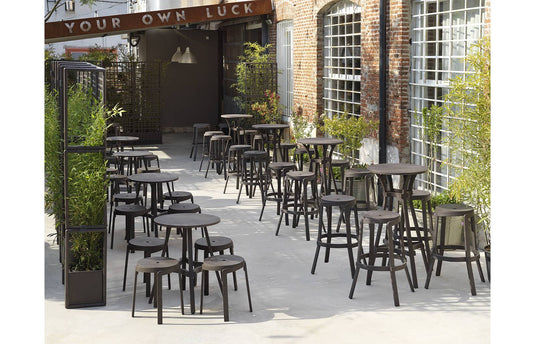


Fermob Ireland & UK , Commercial Outdoor Furniture Supply
Upgrade your outdoor space with Fermob.
We supply iconic French outdoor furniture built for high-traffic venues — weather-resistant finishes, standout colour options, and a premium look that elevates any space. Tell us your venue type, quantity, and deadline and we’ll recommend the best set-up.
Contact to order:info@customwooddesigns.ie
Globo Hanging Chair / Globo Furniture
Turn a corner into a destination.
Statement design • Timber frame • Indoor / outdoor
Globo hanging chairs are perfect for venues that want guests to linger — comfortable, design-led, and instantly memorable. Tell us your space type, quantity, and deadline and we’ll recommend the best Globo option and accessories.
Contact:info@customwooddesigns.ie




Contact Us
Please fill out the form below and we’ll get back to you within 24 hours.